
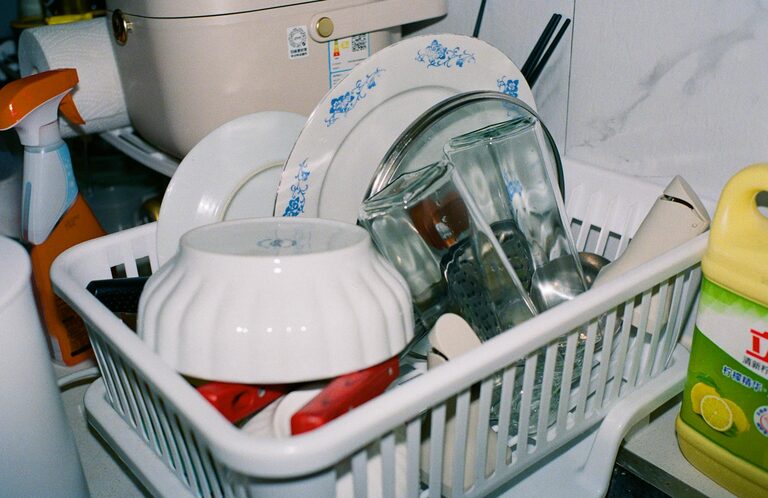
Keeping the kitchen tidy after dinner can often feel like a daunting task, especially after a long day. However, there are simple strategies you can adopt to make dinner cleanup quicker and easier. Whether you cook every night or just occasionally, these ideas will help reduce the mess and free up your time for more enjoyable activities. Let’s explore some practical ways to streamline your dinner cleanup routine.
1. Plan Your Meals with Cleanup in Mind
One of the best ways to simplify cleanup is to think ahead during meal planning.
Choose One-Pot or One-Pan Dishes
Preparing meals using a single pot, pan, or baking dish can dramatically cut down on the number of dishes you need to wash. Meals like stews, casseroles, sheet-pan dinners, and stir-fries are great options.
Opt for Simple Recipes
Complex dishes with many components often mean more bowls, plates, and utensils to clean. Try to pick recipes with fewer ingredients and less preparation to keep the mess manageable.
2. Organize Your Kitchen Workspace
A well-organized kitchen can make it easier to clean up as you go.
Use Mise en Place
This fancy term means “everything in its place.” Before you start cooking, prepare and measure out all your ingredients. This helps avoid spills and keeps your cooking area cleaner.
Keep Cleaning Supplies Handy
Have your dish soap, scrubbers, and towels within arm’s reach so you can quickly wash or wipe utensils and surfaces as you finish using them.
3. Clean While You Cook
Instead of waiting until after dinner to start cleaning, tackle messes during the cooking process.
Wash Utensils and Bowls Immediately After Use
Rinse or wash mixing bowls, measuring spoons, and other tools right after you use them. It prevents food from drying on and makes washing easier.
Wipe Countertops Often
Keep a clean cloth or paper towel handy to immediately wipe spills and splatters on your counters. This prevents buildup and reduces the need for heavy scrubbing later.
Soak Pots and Pans Early
After transferring food from pots or pans, fill them with warm, soapy water to soak. This will loosen food residue and make scrubbing later much easier.
4. Simplify Tableware and Serving
Making smart choices about dishes and serving methods can also help with cleanup.
Use Dishwasher-Safe Items
Whenever possible, use plates, bowls, and utensils that are dishwasher safe to save time washing by hand.
Limit the Number of Serving Dishes
Serving food family-style from pots or use large platters to reduce the number of dishes on the table. This means fewer pieces to clean at mealtime’s end.
Utilize Disposable or Reusable Liners
Place baking sheets or pans with parchment paper or silicone mats so food doesn’t stick. These liners can be discarded or washed separately, cutting down on scrubbing.
5. Make Use of Kitchen Gadgets
Smart tools can help speed up cleanup efforts.
Invest in a Good Dishwasher
A reliable dishwasher can handle the bulk of your dirty dishes, allowing you to focus on other tasks.
Use Multi-Function Appliances Wisely
Appliances like slow cookers or air fryers often require just one scoop or tray, which can be easier to clean than multiple pots or pans.
Employ Hands-Free Faucets
Hands-free or touchless kitchen faucets allow you to rinse dishes and wash hands efficiently without having to touch handles with dirty hands.
6. Develop a Post-Dinner Cleanup Routine
Having a regular routine helps distribute cleanup tasks and makes them feel less overwhelming.
Clear the Table Right After Eating
Encourage everyone to clear their plates and any trash immediately. This prevents leftover food or dishes from piling up.
Load the Dishwasher Promptly
Don’t let dirty dishes sit in the sink for long. Loading them quickly into the dishwasher keeps your workspace neat.
Wipe Down Surfaces
After dishes are cleared, take a moment to wipe down the dining table, countertops, stove, and sinks. This prevents buildup and keeps your kitchen fresh.
Sweep or Vacuum if Needed
If your kitchen floor has crumbs or spills, a quick sweep or vacuum will keep it clean and safe.
7. Delegate Tasks for Faster Cleanup
Don’t be afraid to ask for help! Sharing cleanup responsibilities can make the process faster and easier.
Assign Tasks by Age or Ability
Children can clear their own plates, rinse dishes, or help wipe surfaces. Adults can handle washing pots or loading the dishwasher.
Create a Family Cleanup Chart
Using a visual schedule can motivate family members to do their part and keep everyone accountable.
8. Maintain a Clean Kitchen Daily
Regular kitchen maintenance prevents big messes from building up.
Tidy Up Before Cooking the Next Meal
Wiping down counters and cleaning out the sink before you start cooking saves time later.
Organize Your Pantry and Fridge
A clutter-free pantry and fridge help you find ingredients quickly and avoid spills or food messes.
—
Conclusion
Dinner cleanup doesn’t have to be a frustrating chore. By planning your meals, organizing your workspace, cleaning as you go, and sharing responsibilities, you can significantly reduce time spent tidying up after dinner. Implementing even a few of these ideas can make your kitchen routine smoother and more enjoyable. Try them out and discover how easy dinner cleanup can become!
—
We hope these tips help you enjoy your evenings more and stress less about the mess. Happy cooking and cleaning!