
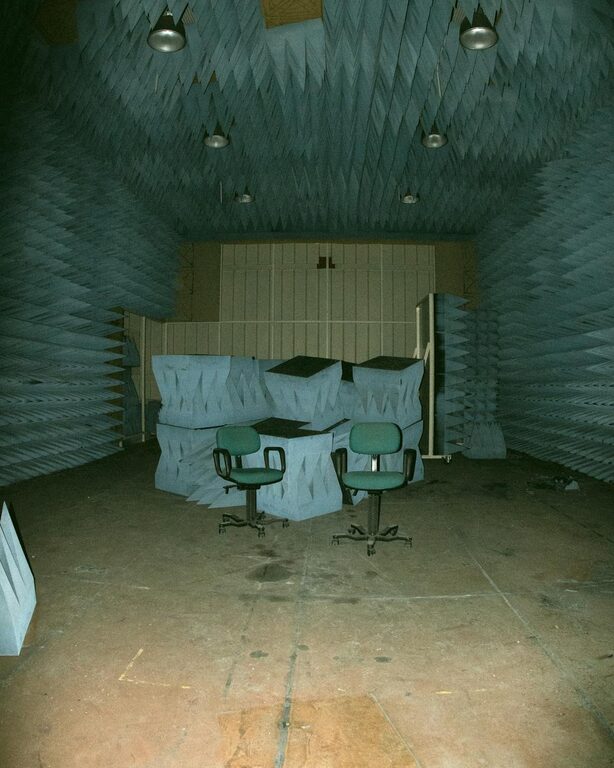
Living in a noisy environment can affect your peace of mind, productivity, and overall well-being. Whether it’s traffic outside, loud neighbors, or everyday household sounds, reducing noise in your home can make a big difference in your comfort. The good news is that creating a quieter home doesn’t have to be complicated or expensive. In this post, we’ll explore simple and practical ways to reduce noise at home, helping you enjoy a calmer space.
Understanding Noise and Its Impact
Noise isn’t just an annoyance; it can increase stress levels and make it hard to concentrate or sleep. By implementing noise reduction strategies, you can improve your quality of life, enhancing relaxation and focus.
Identify the Noise Sources
Before tackling noise reduction, it’s important to determine where the unwanted sounds are coming from. Common sources include:
– Outside traffic or construction noise
– Loud neighbors or shared walls in apartments
– Household appliances and electronics
– Footsteps or voices from other rooms
Knowing the source helps you choose the right solutions.
Practical Ways to Reduce Noise at Home
1. Seal Gaps and Cracks
Noise enters through small openings around windows, doors, and walls. Sealing these gaps is one of the simplest ways to minimize sound intrusion.
– Use weatherstripping tape around doors and windows.
– Apply caulk to seal cracks in walls and window frames.
– Install draft stoppers at the bottom of doors to block noise.
2. Use Heavy Curtains or Soundproof Blinds
Windows are common entry points for outside noise. Heavy curtains or specially designed soundproof blinds can absorb sound and improve insulation.
– Choose thick, dense fabric curtains for your windows.
– Consider double-layered curtains with sound-absorbing materials.
– Close curtains during noisy times to reduce sound.
3. Add Soft Furnishings and Rugs
Hard surfaces reflect noise, while soft materials absorb it. Adding soft furnishings can decrease echo and general noise levels.
– Place area rugs or carpets on hardwood or tile floors.
– Use upholstered furniture, cushions, and throws.
– Hang fabric wall hangings or tapestries for additional sound absorption.
4. Rearrange Furniture Strategically
Furniture can act as a barrier to sound.
– Position large bookshelves or wardrobes against shared or noisy walls.
– Use padded headboards for bedrooms near noisy areas.
– Arrange sofas and chairs away from noise sources like windows or doors.
5. Install Door Sweeps and Soundproof Doors
Doors can be a major cause of noise leakage.
– Install door sweeps to seal the gap under doors.
– Consider replacing hollow core doors with solid core ones for better sound insulation.
6. Use White Noise Machines or Fans
Sometimes, masking noise is as effective as blocking it.
– White noise machines produce steady, soothing sounds that cover unpleasant noises.
– A fan or air purifier can provide similar masking effects while improving air quality.
7. Consider Window Inserts or Double Glazing
For persistent outdoor noise, window upgrades may be necessary.
– Window inserts add an extra pane of glass, improving sound insulation.
– Double-glazed windows are designed to reduce noise from outside sources.
8. Limit Noise from Household Devices
Certain appliances and electronics contribute to indoor noise.
– Choose quieter models when buying appliances.
– Place noisy machines away from living or sleeping areas.
– Use rugs or mats to reduce vibrations from washing machines or dishwashers.
DIY Noise Reduction Tips
If you enjoy tackling home improvement projects yourself, try these do-it-yourself ideas:
– Create a DIY draft stopper using fabric and sand or rice.
– Build a bookshelf filled with books against a noisy wall.
– Install removable soundproof panels or foam tiles in entertainment rooms.
When to Seek Professional Help
If noise remains a significant problem despite these efforts, consider consulting a professional soundproofing expert. They can assess your home and recommend advanced solutions such as:
– Acoustic wall panels
– Specialized insulation
– Structural modifications
Final Thoughts
Reducing noise at home doesn’t have to be overwhelming. By combining simple fixes like sealing gaps, adding soft furnishings, and using noise-masking devices, you can create a quieter, more comfortable environment. Start with small changes and notice how your home transforms into a peaceful retreat from the hustle and bustle outside.
Enjoy the calm!